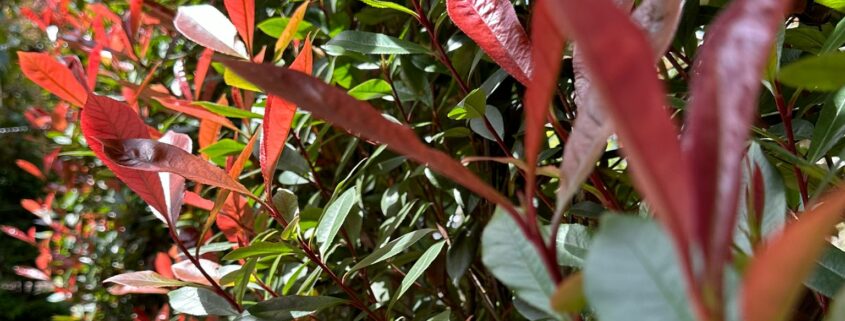

Evergreen Screening Choices
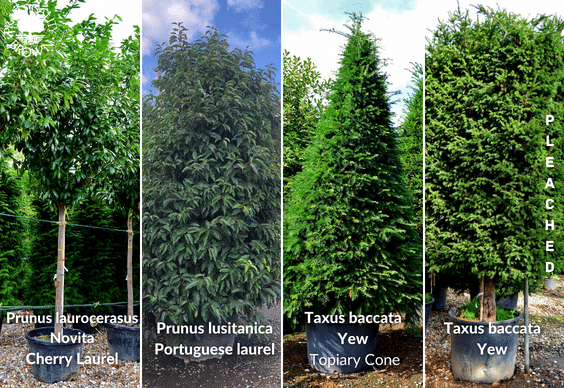
We have a range of evergreen solutions that offer excellent privacy screening, with their year-round retained foliage. They can serve as windbreaks and even act as a useful security barrier for unwanted visitors.
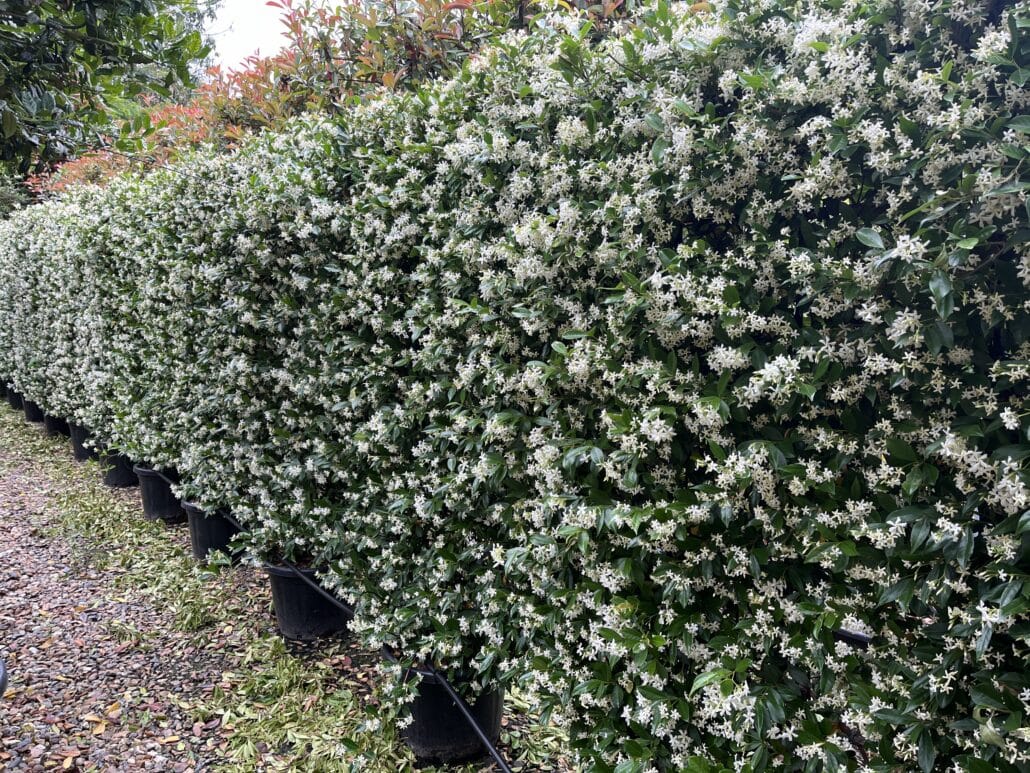
Evergreen Espalier Screens
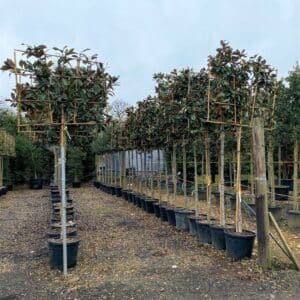
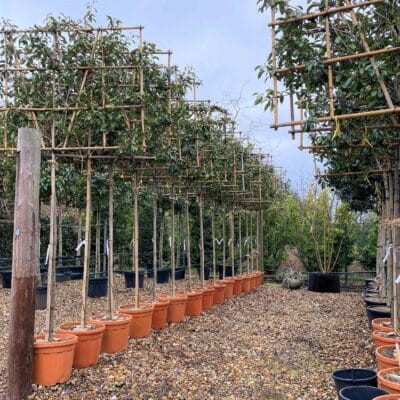
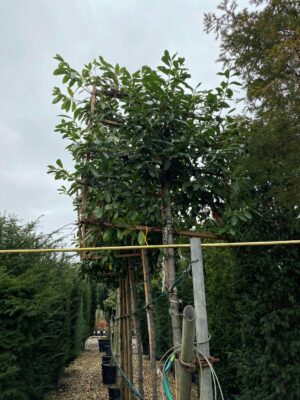
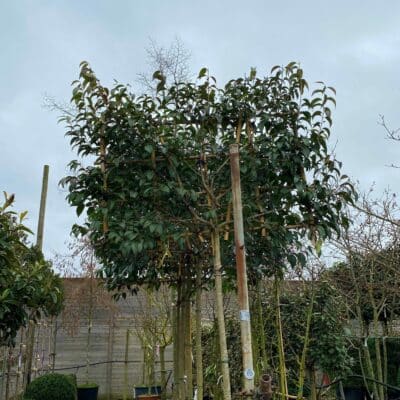
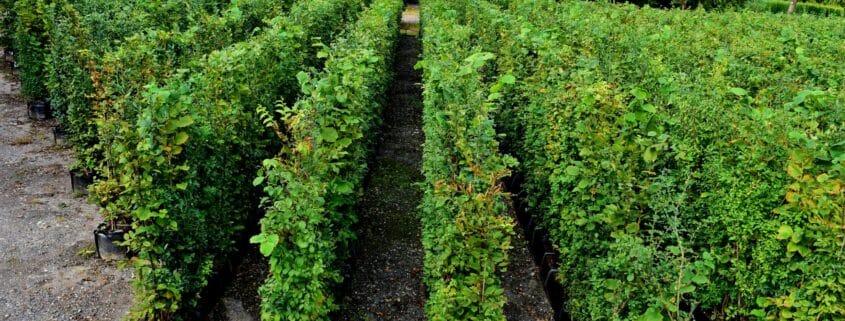
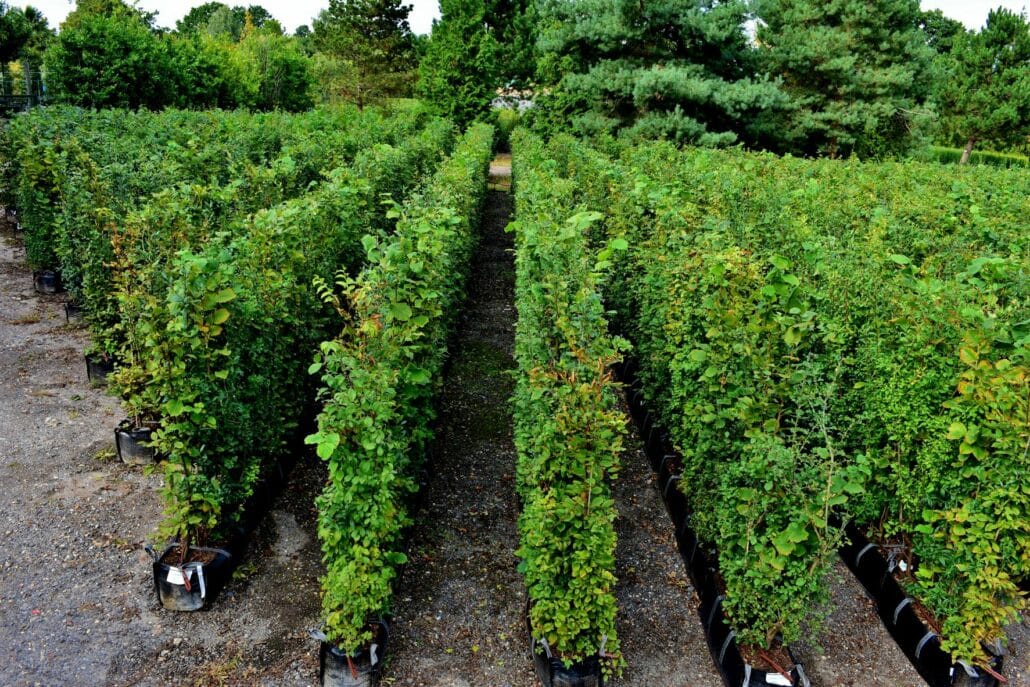
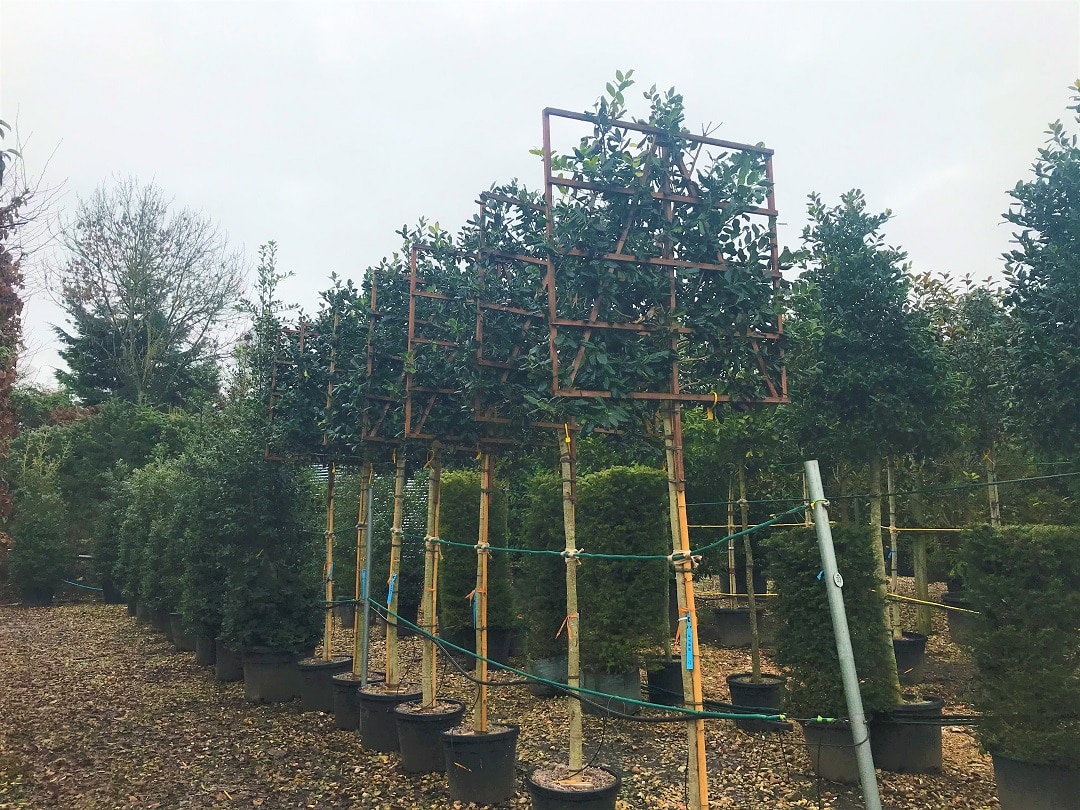
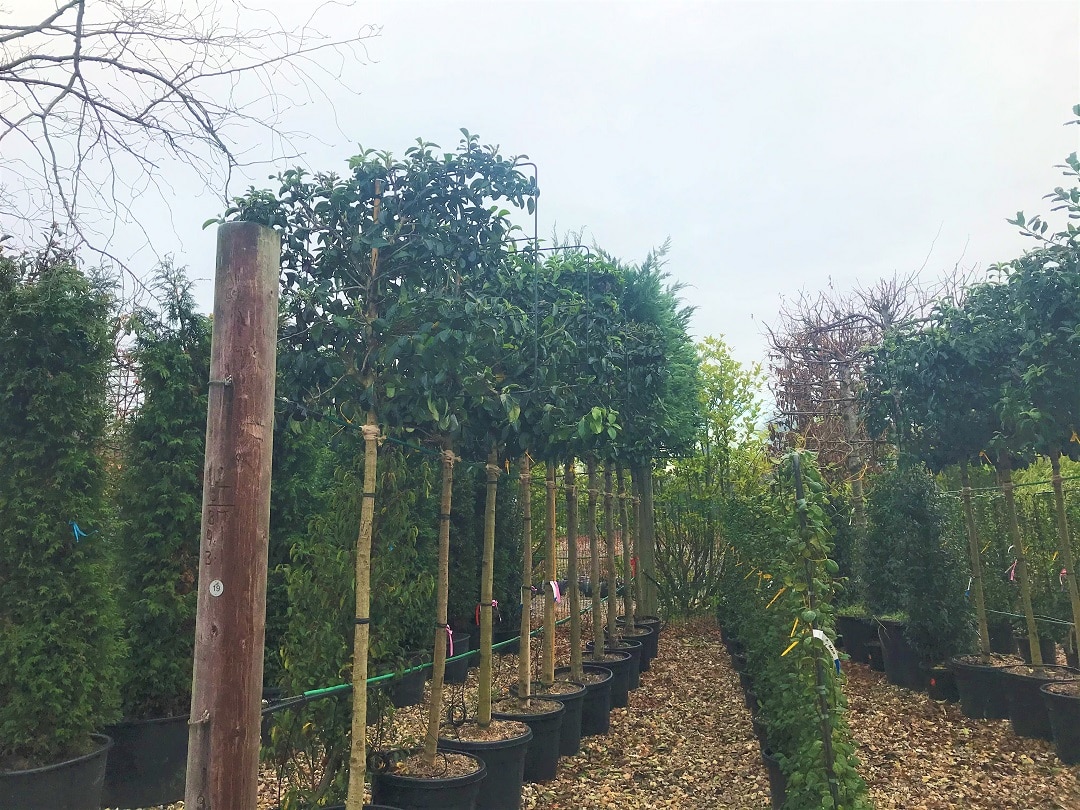
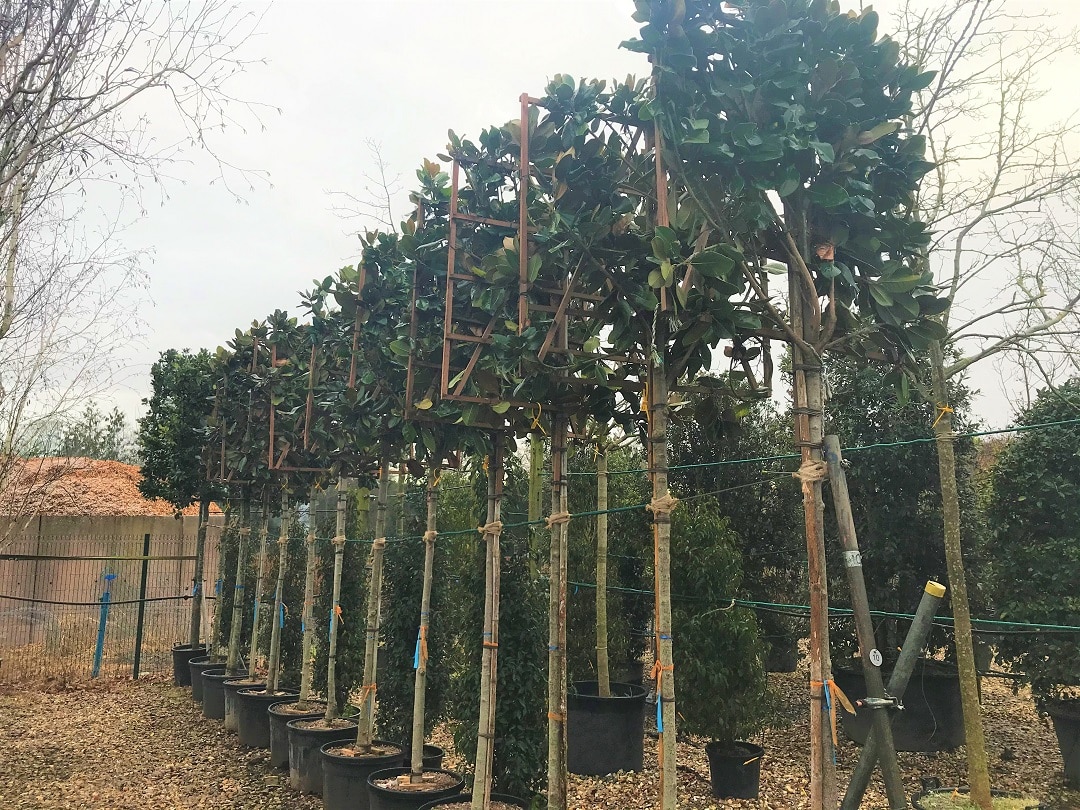
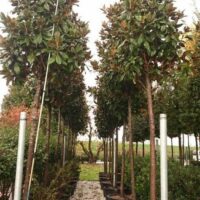
Our range of evergreen screening now includes espalier screens. These evergreens are grown on strong, narrow frames using several plants in each trough to create full coverage over the framework, from soil level up. Lightweight, simple and easy to install, they are ideal for flexible screening.
The support of the framework allows the plants to grow tall and wide without needing the depth of an Instant Hedge, making them ideal for planting situations where space or time is at a premium. Whether you want to screen out the garden shed, hide the recycling bins or be imaginative by creating rooms in your garden, these narrow screens offer many options.
Our Best Evergreen Screens
There are many evergreen screen varieties available, each with different foliage, features and attributes. These allow you to create a look to fit your garden design, even if you need privacy most in shady areas. We have a variety of species available, both traditional hedging species and newer varieties too.
| Variety | Size | Price |
| Cupressocyparis leylandii (Leylandii) | 300 x 150cm | £938 |
| Elaeagnus ebbingei (Oleaster) | 150 x 100cm | £335 |
| Elaeagnus ebbingei (Oleaster) | 160 x 120cm | £335 |
| Elaeagnus ebbingei Viveleg (Oleaster) | 120 x 80cm | £258 |
| Photinia ‘Red Robin’ | 200 x 100cm | £637 |
| Photinia ‘Red Robin’ | 200 x 120cm | £456 |
| Photinia robusta compacta | 160 x 110cm | £456 |
| Photinia robusta compacta | 180 x 120cm | £543 |
| Prunus laurocerasus ‘Novita’ | 180 x 120cm | £373 |
| Pyracantha | 200 x 120cm | £422 |
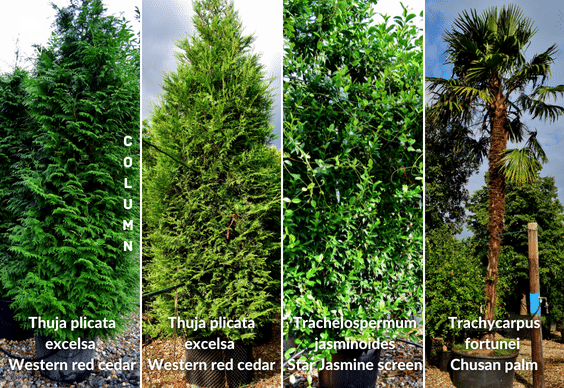
| Trachelospermum jasminoides | 180 x 120cm | £442 |
All prices are per screen and exclude VAT.
A 20% discount will be applied to all ex-VAT orders of these screens worth a total of £3000 or more.
The discount applies to the value of the screens themselves not to delivery or planting etc.
For more information on evergreen espalier screens, instant hedging, screening or pleached trees, contact the horticultural team. Email trees@pracbrown.co.uk or call 01753 652022 for more information.
In more detail
Cupressocyparis leylandii (Leylandii)
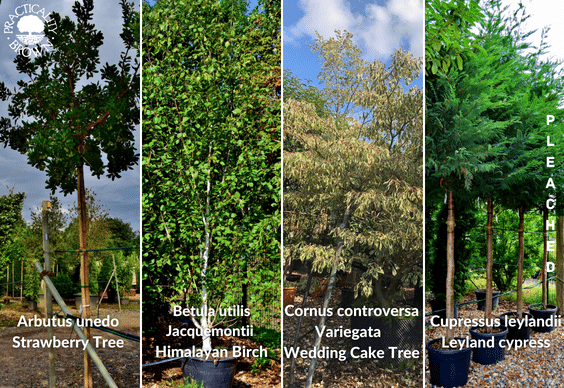
Leylandii is valued for its fast growth habit, sturdy constitution, and dense, evergreen foliage which provides an effective screen. The key for this vigorous grower is regular pruning during the growing season of spring to late summer.
Highly regarded for its sweet fragrance and tiny bell-shaped white flowers in late summer, it also bears small orange berries in the winter and attractive foliage. Compact with dense growth, it is valuable in coastal locations, as it is salt tolerant.
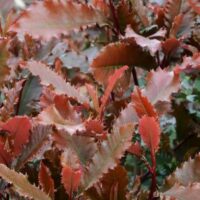
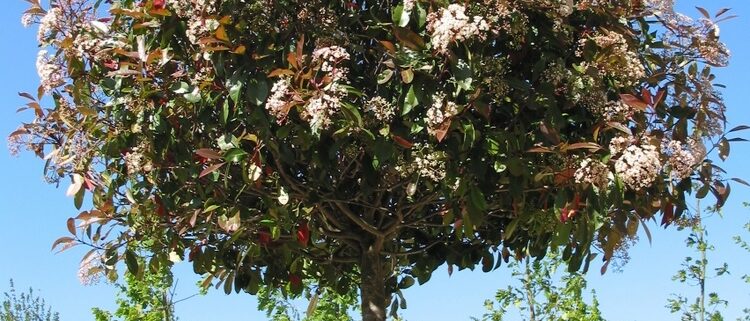
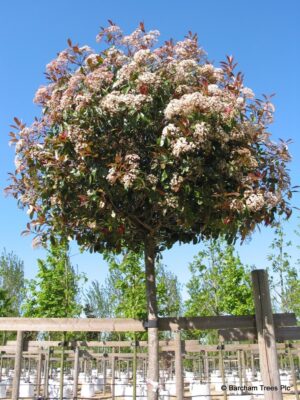
Red Robin’s stand out feature is the vibrant red new shoots in spring, which contrast with the white blossom – unusual in an evergreen. The bright new leaves change to a deep, glossy green as they mature and are complemented with small round red berries in the summer.
This species is more compact than it the ubiquitous Photinia. It has all the leaf colouration of ‘Red Robin’ combined with the compact growth of ‘Compacta’. Forms a very dense shrub with much interest in the spring.
Due to its dense, dark leaves the Novita is commonly planted for screening. It’s leaves emerge a fresh green, which get darker and glossier with age. In spring, they can produce a display of white blossom, which grow on upright racemes.
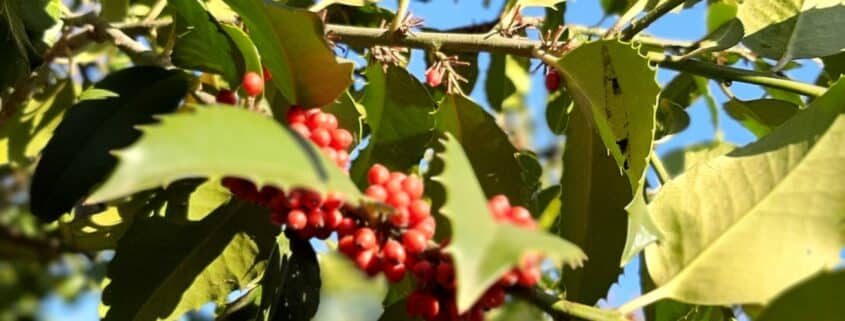
With its dense, spiny habit, it makes a perfect screen to use as a security fence to deter intruders. This evergreen boast scented, creamy white flowers in late spring followed by a profusion of orange berries in the autumn.
This attractive self-twining evergreen climbing shrub has glossy dark green, ovate leaves that often turn a deep red in winter. One of the highlights of this screening plant is the beautiful clusters of white star-shaped flowers in spring, early summer that have a fragrant fresh-sweet scent.
Deciduous screen
In addition to the range of evergreen espalier screens, we also have Liquidambar styraciflua. This American Sweet Gum of the very best trees for autumn colour and one of the last deciduous species to drop its leaves. The foliage emerges bright green in the spring then changing to fabulous red, purple and gold colours throughout the autumn. Keeping this screen trimmed with not lose the beautiful colours. We have a limited supply of 180 x 120cm screens at £408 each.
Contact to us about your requirements for screening or privacy in your garden; we can supply and plant many types of attractive trees in both evergreen and deciduous species.
-
- Star Jasmine
-
- Yew evergreen espalier screens
-

- Evergreen espalier screen
-
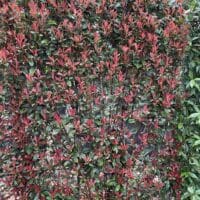
- Photinia Red Robin
-
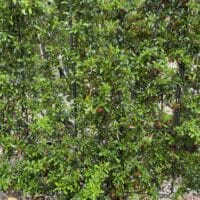
- Pyracantha
-
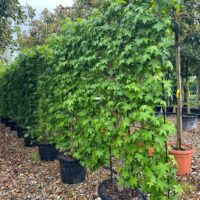
- Sweet Gum deciduous espalier screen
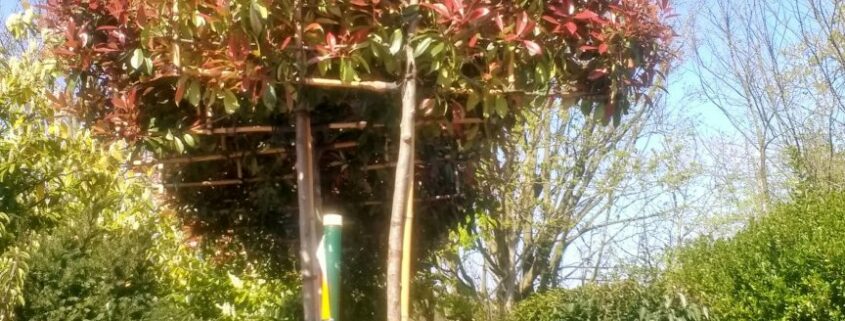
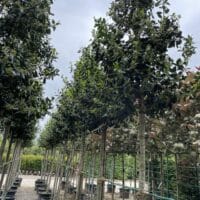
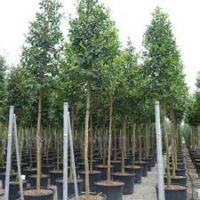
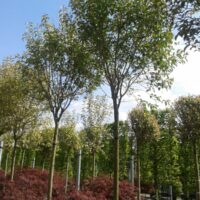
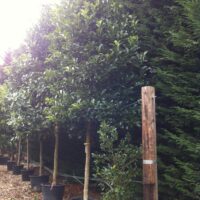
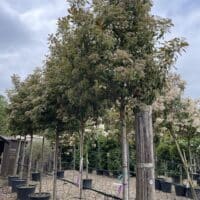
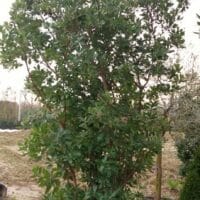

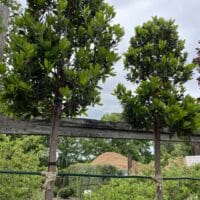
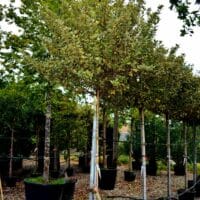
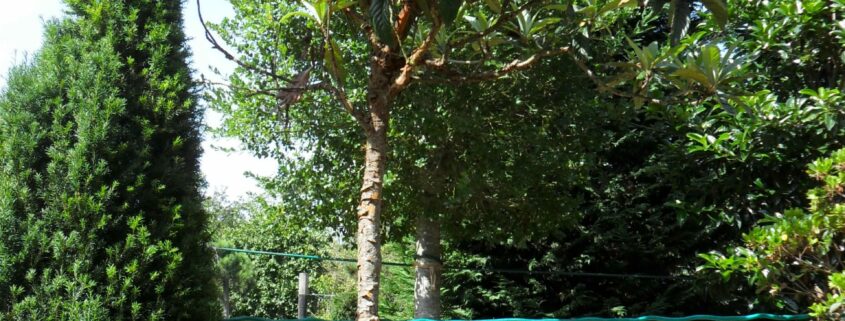
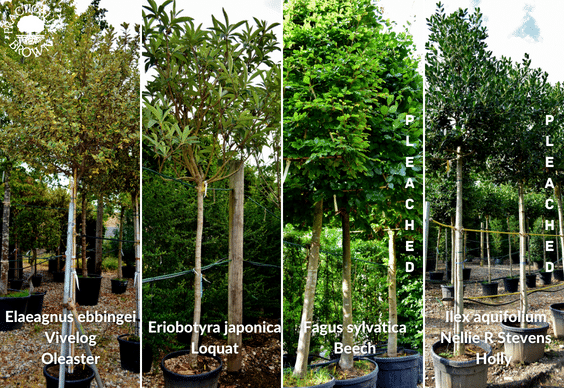
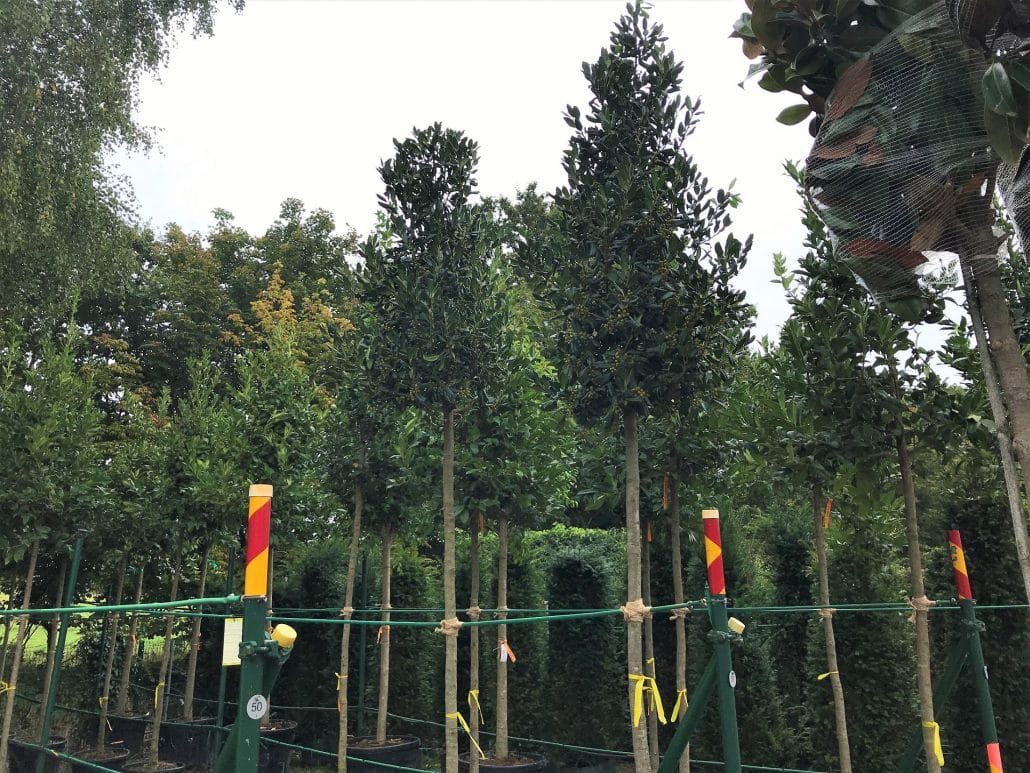
 Ideal for screening due to its symmetrical habit, density and lack of pruning requirements. The glossy green leaves are smooth rather than spikey. The autumn berries provide colour and food for birds. Grows well in well-drained soil, is drought tolerant, needs sun-partial sun.
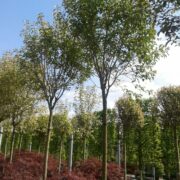 A compact, small sized evergreen tree with camellia-like olive-green leaves that looks attractive in pleached form. It bears large clusters of white flowers in late summer. A tough performing species that will thrive on most soils, but avoid waterlogged areas
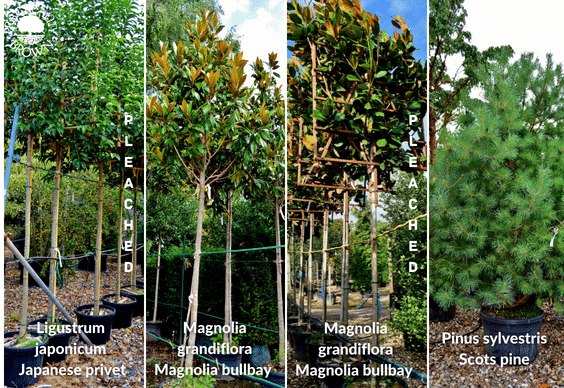
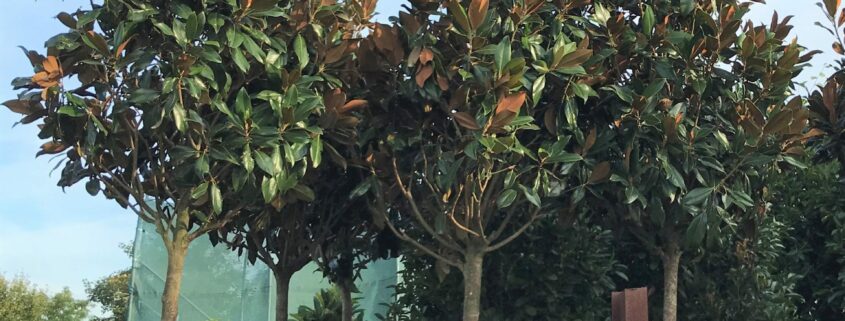
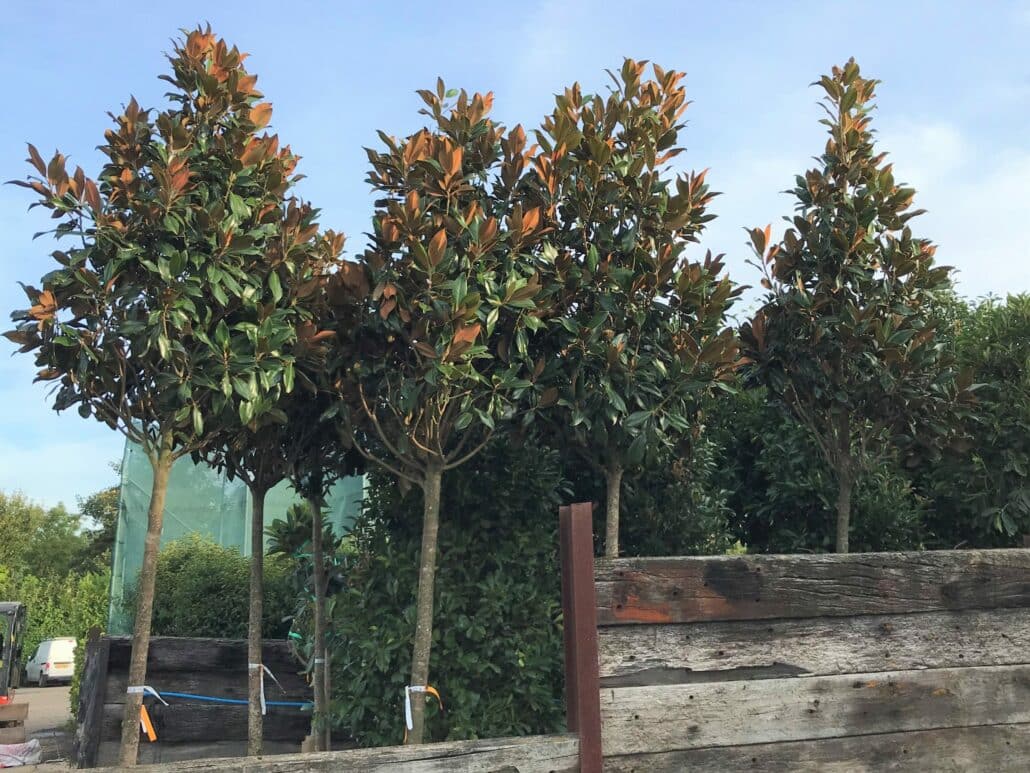
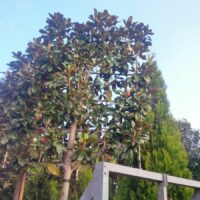
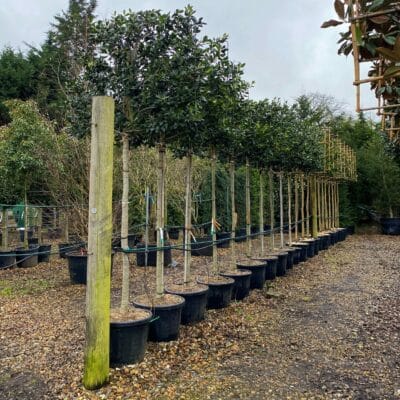
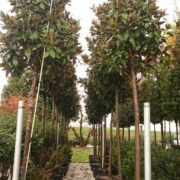 With large dark green leaves, this evergreen produces beautiful, large, white flowers in the summer, which can be up to 25 cm in diameter. As well as decorating this stunning tree, they also create a sweet-citrus smelling aroma, and makes a stunning pleached tree. Magnolia grows well in most soils, but it must be sheltered and not north-facing
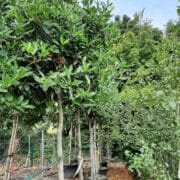 This pretty little evergreen is perfect for screening in the garden. Glossy tooth edged leaves resemble Holly and form an upright but spreading plant. Fragrant white flowers appear in autumn amongst the leaves and branches.
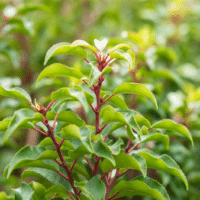
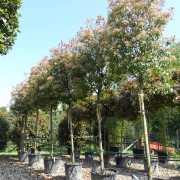 This is a versatile evergreen, that has vibrant red new shoots in spring, which contrast with the white blossom – unusual in an evergreen. The bright new leaves change to a deep, glossy green as they mature.
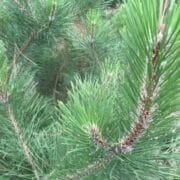 A robust evergreen tree, with deep green glossy needles and a picturesque, rounded, informal growth habit. The perfect selection for wind break planting and protection from salt ladened winds. A good screening tree, it can reach over 20m in height at maturity, so consideration should be given to its planting location.
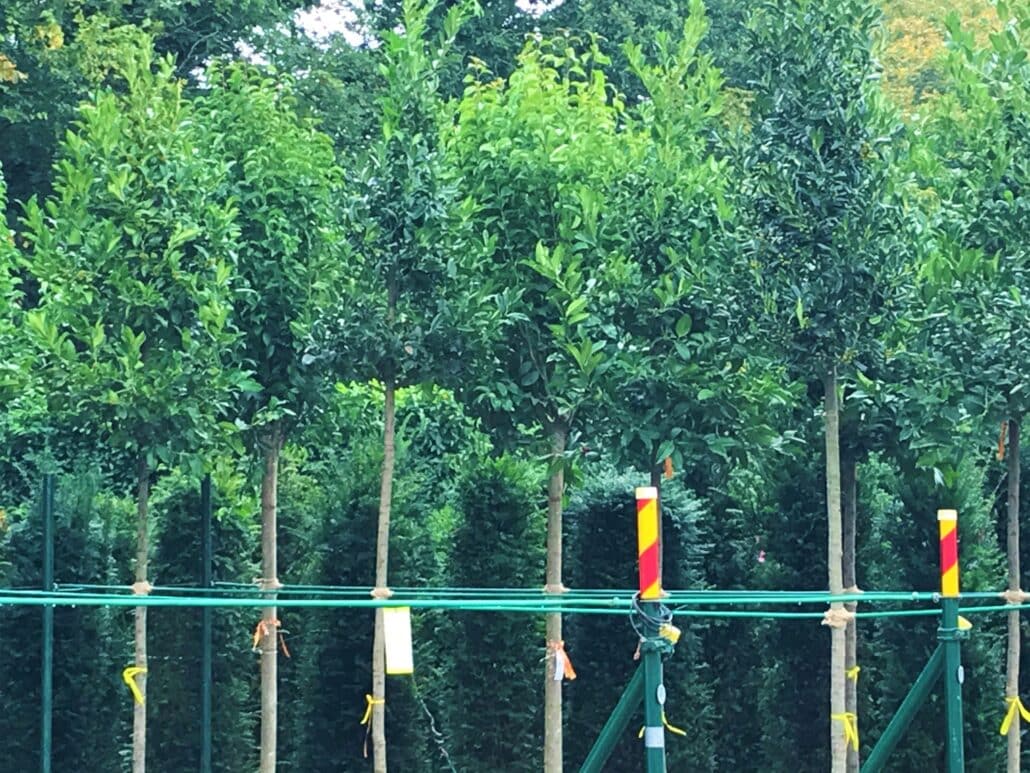
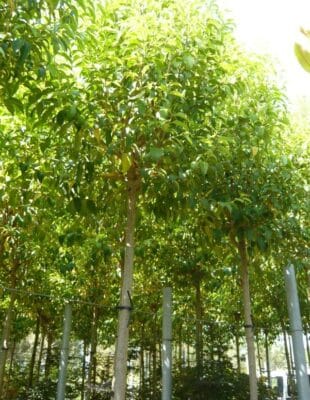
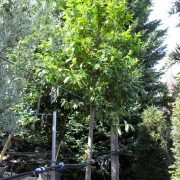 This is a popular tree, with an upright and bushy habit which is perfect year-round screening in its pleached form. Its large leaves are elliptical, shiny and bright green and have small, sweet-smelling, white flowers, which grow in vertical racemes, followed by small, cherry-like fruit.
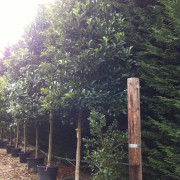 The Viburnum Lucidum originates from south of Europe. It grows into a large shrub with dark green, shiny leaves. These can be up to 10 cm in length and 4 cm wide and are ovate with a pointed end. It grows into a dense, busy and rounded habit and produces cymes of small white, fragrant flowers in late winter, which stay in bloom until mid-spring. This tree also produces small, bluish-black berries in autumn.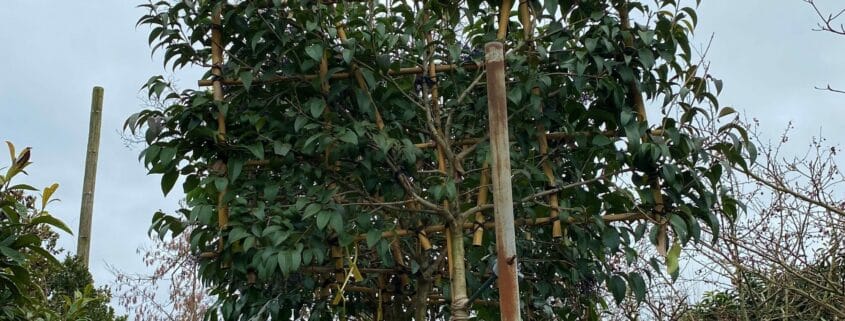
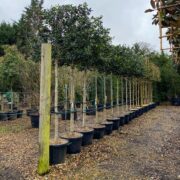 Ideal for screening due to its symmetrical habit, density and lack of pruning requirements. The glossy green leaves are smooth rather than spikey. The autumn berries provide colour and food for birds. Grows well in well-drained soil, is drought tolerant, needs partial sun.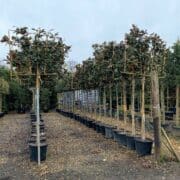
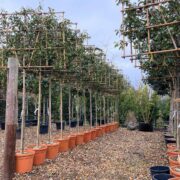
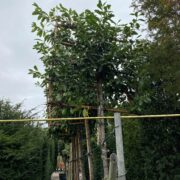 This is a popular tree, with an upright and bushy habit which is perfect year-round screening in its pleached form. Its large leaves are elliptical, shiny and bright green and have small, sweet-smelling, white flowers, which grow in vertical racemes, followed by small, cherry-like fruit.
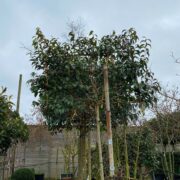 A compact, small sized evergreen tree with camellia-like olive-green leaves that looks attractive in pleached form. It bears large clusters of white flowers in late summer. A tough performing species that will thrive on most soils, but avoid waterlogged areas